



Is Lupus Genetic? The short answer is yes, lupus is genetic. Lupus is a complex autoimmune disease that can affect almost any part of the body. It causes the immune system to mistakenly attack healthy tissue. Studies suggest that lupus is often a result of a combination of genetic and environmental factors. This article breaks down what lupus is, its genetic factors, and the triggers that contribute to the disease. We also address the most common signs, symptoms, and how lupus can be differentiated from other conditions.
What is Lupus?
Lupus is a chronic autoimmune disease, meaning that the immune system attacks the body’s own tissues. There are several types of lupus, but the most common is systemic lupus erythematosus (SLE), which can affect organs like the skin, kidneys, heart, and lungs.
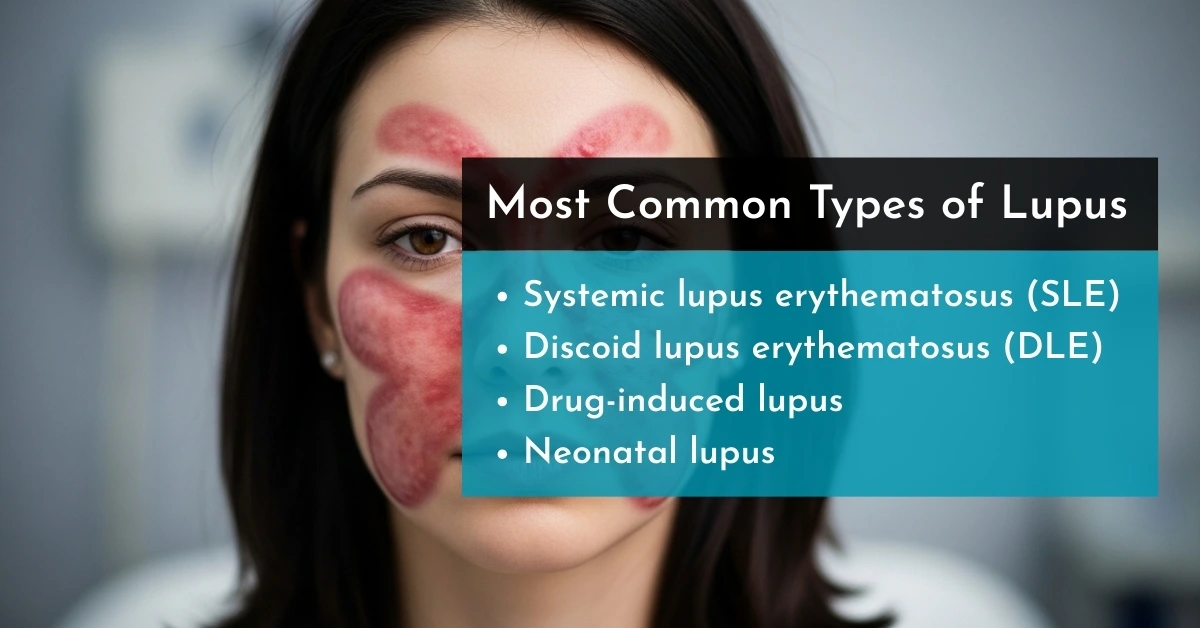
Most Common Types of Lupus
- Systemic lupus erythematosus (SLE): The most severe form of lupus, involving multiple organ systems.
- Discoid lupus erythematosus (DLE): A type of lupus affecting only the skin, causing red, scaly rashes.
- Drug-induced lupus: Caused by certain medications, usually reversible once the drug is discontinued.
- Neonatal lupus: A rare condition affecting newborns, typically due to antibodies passed from the mother.
Did you know?
Studies suggest women, as compared to men, are 9 times (approx.) more prone to getting lupus.
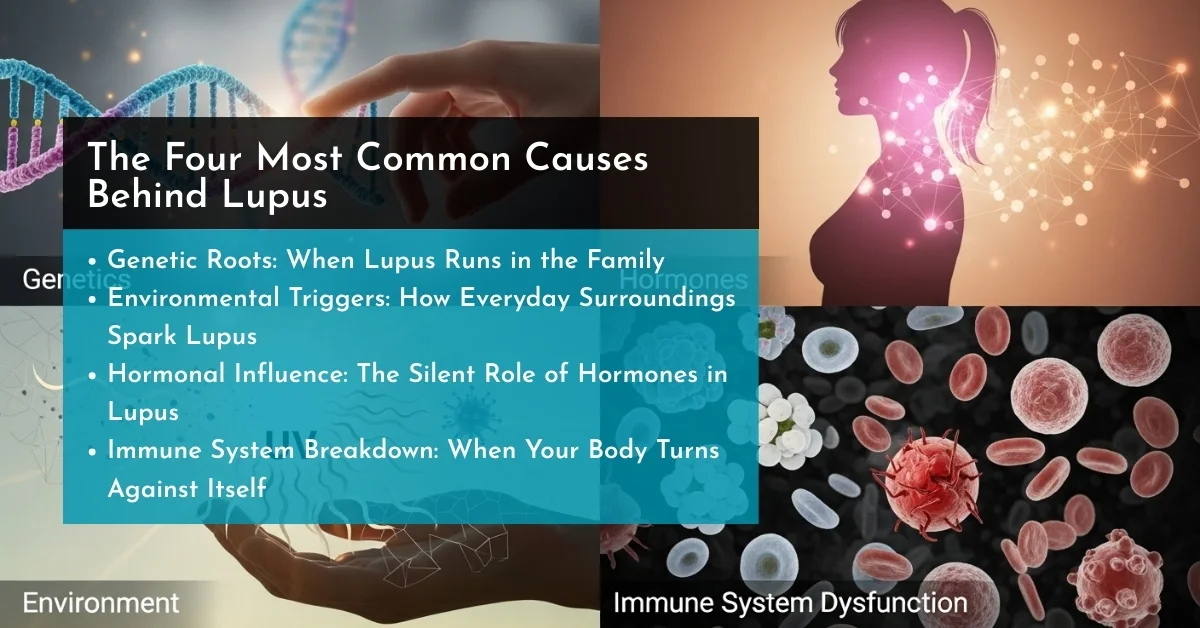
Most Common Causes Behind Lupus
Yes, lupus can have a genetic component. However, it’s important to note that genetics alone doesn’t guarantee someone will develop lupus. Genetic lupus or lupus inheritance is influenced by multiple factors.
1. Genetics Root
Several genes have been linked to lupus, with some people carrying genes that make them more susceptible. Key genes include the HLA genes (especially HLA-B27), which are important for immune system regulation. Studies suggest that lupus can be inherited, but it’s not a simple genetic disease. As shared in a study by John Hopkins, a person with a tendency for lupus does not mean they are definitely going to experience it.
- HLA genes: These genes help the immune system distinguish between harmful and healthy cells.
- HLA-B27: A specific gene associated with autoimmune diseases, including lupus.
- Is lupus hereditary? Yes, lupus can be hereditary, meaning it may run in families. However, it doesn’t always get passed down in a clear-cut way.
- Does lupus skip generations? It’s possible, but rare. If a parent has lupus, there’s an increased risk in children, though not guaranteed.
2. Environmental Triggers
African Americans and Hispanic people tend to get lupus at an early age. Researchers are still working on finding the exact reasons and believe there are some genetic factors involved in this. Certain environmental factors can activate lupus in genetically predisposed individuals:
- Sun exposure: Ultraviolet (UV) rays from the sun can trigger lupus flare-ups, especially the characteristic butterfly-shaped rash.
- Infections: Viral infections like Epstein-Barr virus (EBV) are linked to lupus flares.
- Medications: Certain drugs, like hydralazine, procainamide, and isoniazid, can induce lupus-like symptoms.
- Epstein-Barr virus (EBV): A common virus that causes mononucleosis, often linked with triggering autoimmune diseases like lupus.
Been prescribed an immunosuppressant?
Immunosuppressants like sirolimus may perform better, with less trial and error, when administered according to your unique genetics. A simple pharmacogenomics test from RPh LABS can help you and your doctor get insights into your genetic makeup.
3. Hormonal Factors
Women are more likely to develop lupus, especially during their reproductive years, suggesting that hormones play a role.
4. Immune System Breakdown
Lupus is an autoimmune disorder, meaning that the body’s immune system mistakenly attacks its own tissues, including skin, joints, kidneys, and other organs.
Common Signs and Symptoms of Lupus
The signs of lupus can vary widely and overlap with other conditions, making it difficult to diagnose at first. Here’s a breakdown of common signs:
- Skin rashes: A butterfly-shaped rash across the nose and cheeks is classic, but lupus rashes can appear anywhere on the body, including the legs, chest, and arms.
- Fatigue: One of the most common symptoms.
- Joint pain and swelling: Often affects the hands, wrists, and knees.
- Photosensitivity: Sensitivity to sunlight, causing rashes or flare-ups.
- Chest pain: Due to inflammation of the heart or lungs.
- Kidney problems: Lupus can damage the kidneys, leading to protein in the urine and swelling in the legs and feet.
- Neurological symptoms: Headaches, dizziness, and even seizures in severe cases.
Differentiating Lupus from Other Conditions:
The butterfly-shaped rash, while common, does not always appear in lupus. It can also manifest on the chest, arms, or other areas, and in different shapes. Lupus rashes may be confused with pimples or other skin infections due to their redness and irritation, but lupus rashes often have a distinctive pattern and can cause lasting skin damage.
Treatment Options for Lupus
Lupus is not fully curable, but it can be managed with proper treatment. Management involves controlling symptoms and preventing flare-ups.
1. Medications:
- Non-steroidal anti-inflammatory drugs (NSAIDs): To reduce pain and inflammation.
- Antimalarial drugs: Hydroxychloroquine is commonly used to control skin and joint symptoms.
- Corticosteroids: Used for flare-ups but should be used sparingly due to side effects.
- Immunosuppressive drugs: Help to suppress the overactive immune response in severe cases.
2. Lifestyle Modifications:
- Sun protection: Using sunscreen and wearing protective clothing is crucial.
- Balanced diet and exercise: Essential for overall health and managing fatigue.
- Stress management: Since stress can trigger lupus flare-ups, managing stress through relaxation techniques or therapy is beneficial.
3. Regular Monitoring:
Patients need regular checkups to monitor organ function, especially the kidneys and heart.
Table: Key Differences Between Lupus and Other Skin Conditions
| Condition | Symptoms | Key Differentiators |
| Lupus | Butterfly rash, fatigue, joint pain, photosensitivity | Butterfly rash, systemic symptoms (fatigue, kidney issues) |
| Pimples | Red, inflamed bumps on the skin | No systemic symptoms, localized to the face or chest |
| Eczema | Dry, itchy skin patches | Itchy skin, often on the elbows, knees, and face |
| Psoriasis | Thick, silvery scales | More common on scalp, elbows, knees; no systemic issues |
By understanding the genetics of lupus, along with environmental triggers and symptoms, you can better assess your condition and seek timely treatment.
Glossary of Terms:
- Autoimmune disease: A condition in which the body’s immune system mistakenly attacks its own healthy cells and tissues.
- HLA genes: HLA (human leukocyte antigen) genes that play a role in regulating the immune system.
- Photosensitivity: Increased sensitivity to sunlight, often triggering skin rashes in people with lupus.
- Immunosuppressive drugs: Medications that suppress or reduce the strength of the body’s immune system to prevent it from attacking healthy tissues.
- Corticosteroids: A class of drugs that reduce inflammation and suppress the immune system. Commonly used to treat flare-ups in lupus.
Corticosteroids carry potential side effects such as blood sugar, myopathy (muscle weakness), and more. Thus, they should only be administered under a doctor’s supervision.
Conclusion
Lupus can be inherited; however, it’s not guaranteed. Researchers suggest that lupus is an autoimmune disease often caused by the combination of genetic and environmental factors. Women are more prone to getting Lupus, especially among African Americans. And though it’s not fully curable until now, the good thing is, with the right treatment and lifestyle changes, managing lupus is possible.
Frequently Asked Questions
Yes, although genetic lupus increases susceptibility, lupus can occur without any hereditary effects as well.
Not solely from the father, either of the parents having lupus increases the susceptibility of children to experience lupus.
Not solely from the mother, either of the parents having lupus increases the susceptibility of children to experience lupus.
Lupus may be experienced without lupus in genetics. According to the researchers, it is often a result of genetics and environmental factors; moreover, it may also occur without involvement of genetics.
Disclaimer: This blog is for informational purposes only and does not constitute medical, legal, or professional advice. While we strive for accuracy, errors or omissions may occur.
Leave a Reply